The American Experiment
"A house divided against itself cannot stand."
- Abraham Lincoln
Introduction
America celebrated its 250th anniversary last Saturday.
It is a remarkable milestone. Few democracies have endured as long while continually reinventing themselves. For two and a half centuries, America has experienced moments of extraordinary triumph, profound hardship, remarkable innovation, and tremendous sacrifice. Through it all, the American experiment has endured.
As I watched the celebrations unfold, I found myself thinking about another anniversary, the Bicentennial.
Summer of 1976
In 1976, I was eleven years old.
Like many children of my generation, I was swept up in the excitement of America's 200th birthday. I remember my teachers talking about the Bicentennial throughout the school year and weaving it into our lessons. By the time summer arrived, the anticipation seemed to be everywhere. Flags, patriotic displays, commemorative coins, and red, white, and blue decorations filled neighborhoods, schools, and storefronts. It felt as though the country had come together to celebrate not just its history, but its future.
Living near Baltimore made that summer unforgettable. For more than a week during Operation Sail '76, tall ships from around the world filled Baltimore Harbor. Their towering masts dominated the skyline as visitors crowded the waterfront. As an eleven-year-old boy, I remember believing the entire world had come to celebrate America's birthday.
Looking back, I realize how remarkable that gathering was.
America was hardly without its problems, though. The nation was still recovering from Vietnam and Watergate, while inflation and the lingering effects of the energy crisis weighed heavily on the country. At eleven years old, I understood very little of that. What I remember instead was the feeling that surrounded those celebrations.
That sense of optimism has stayed with me for fifty years.
Lincoln's America
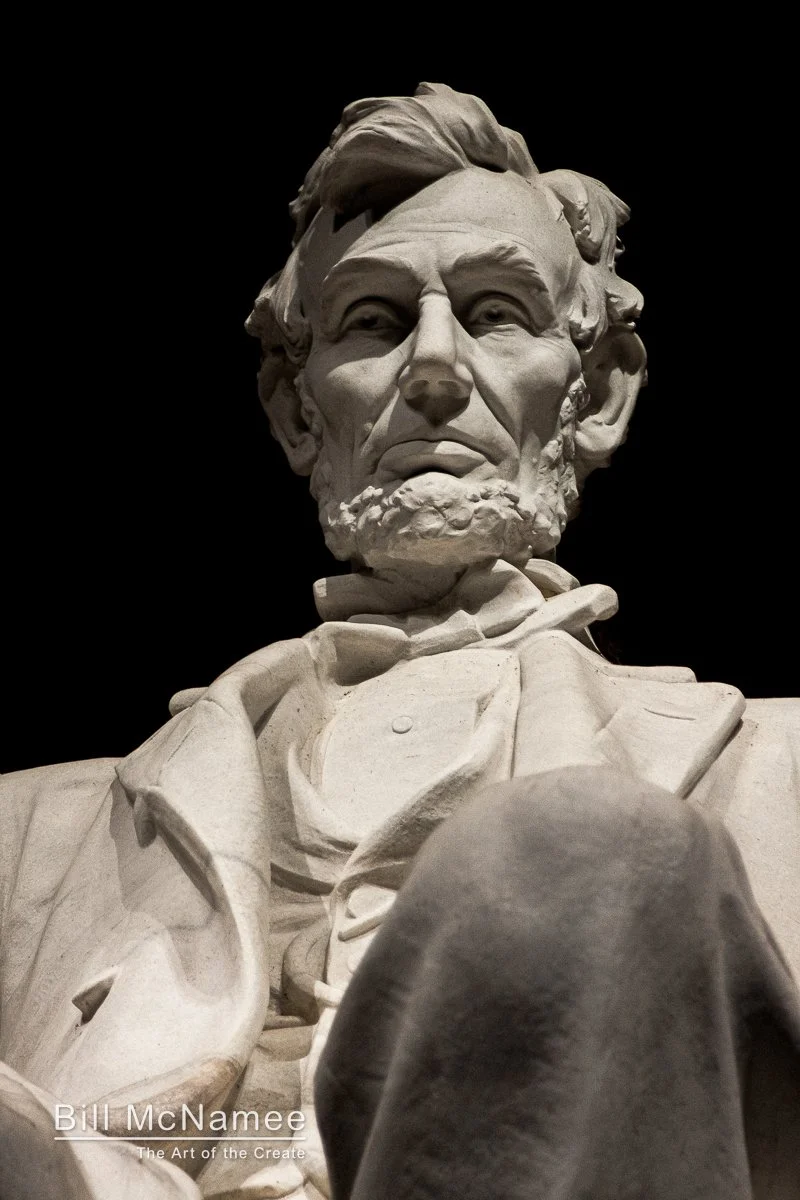
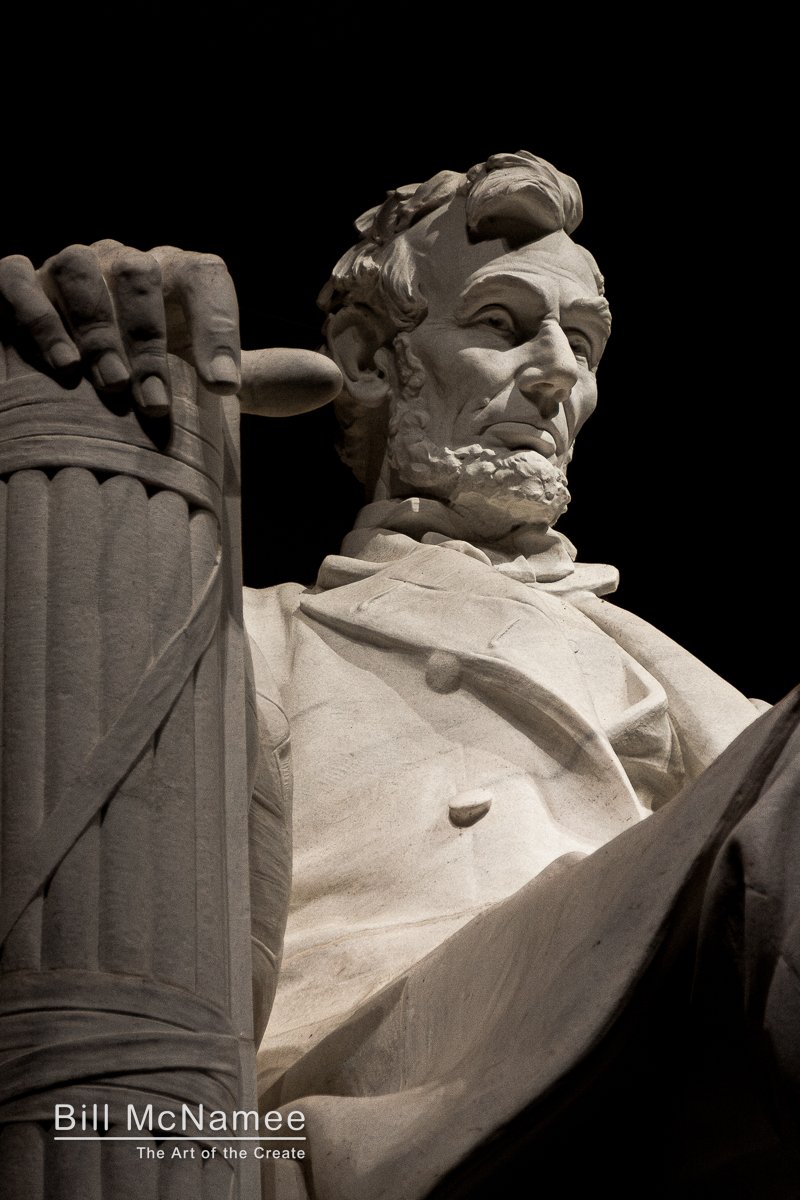
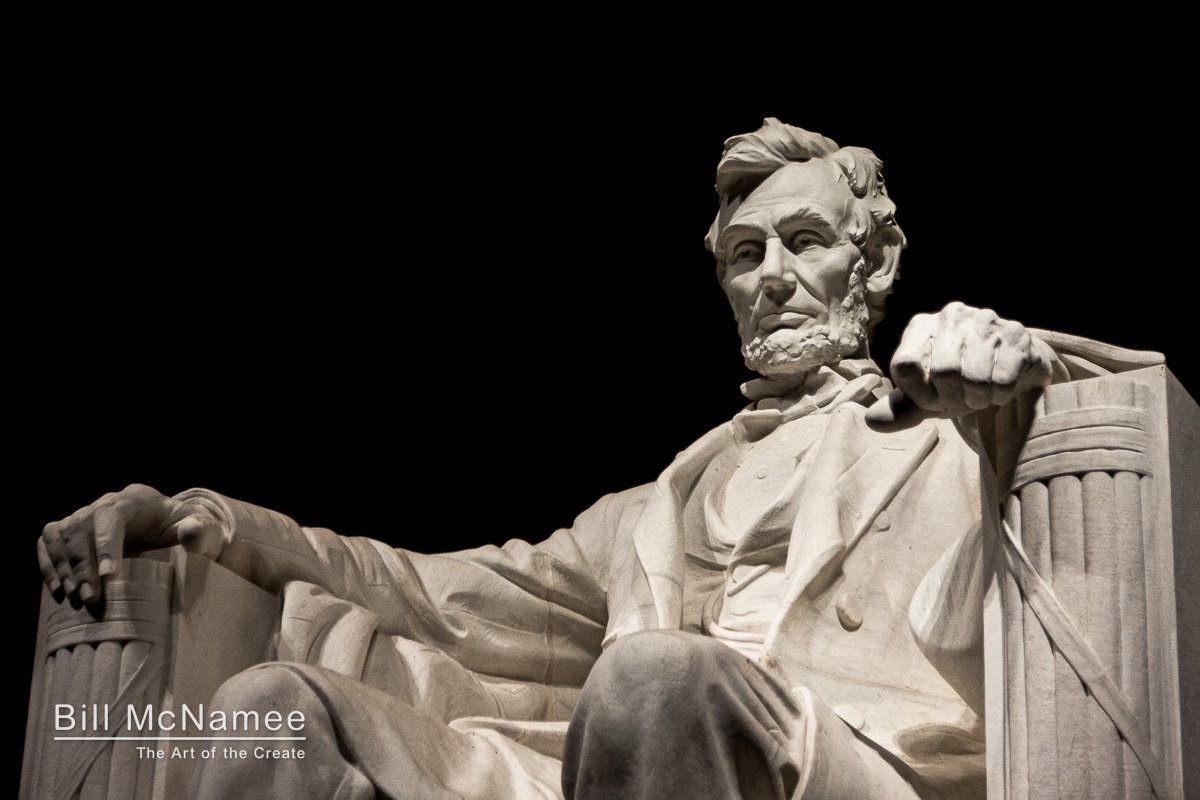
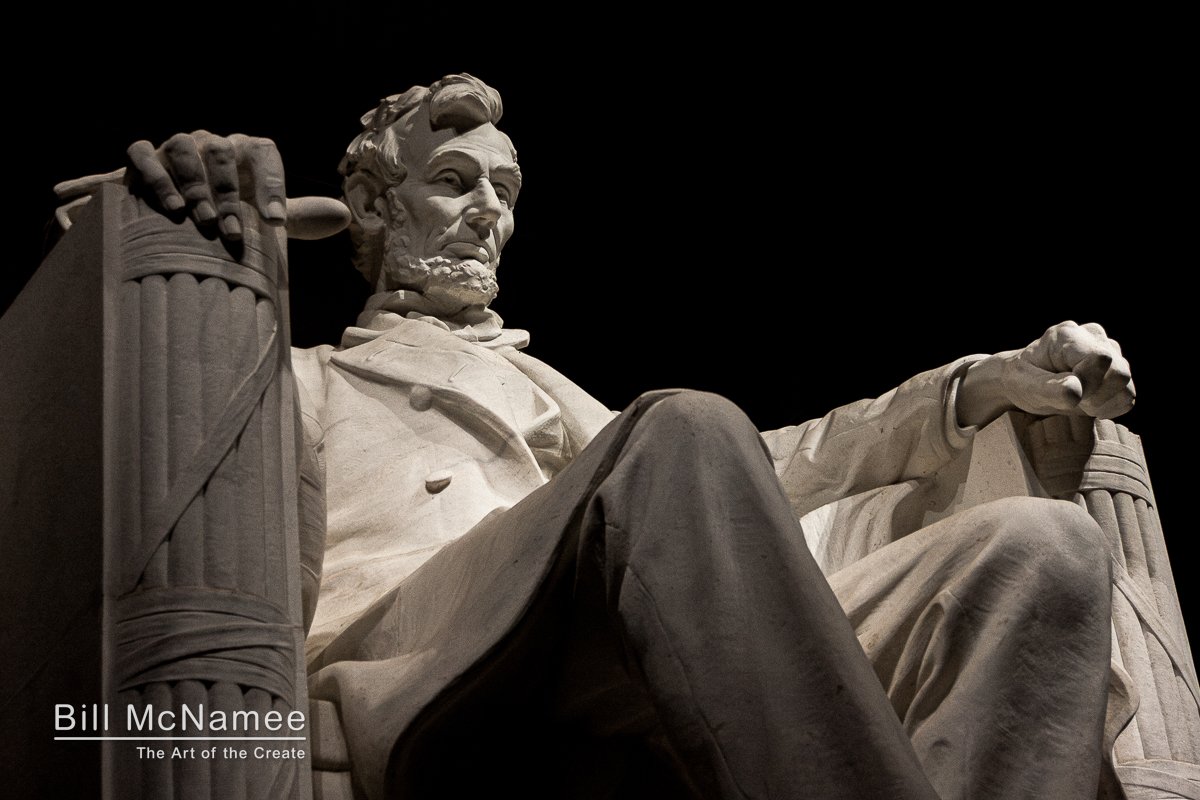
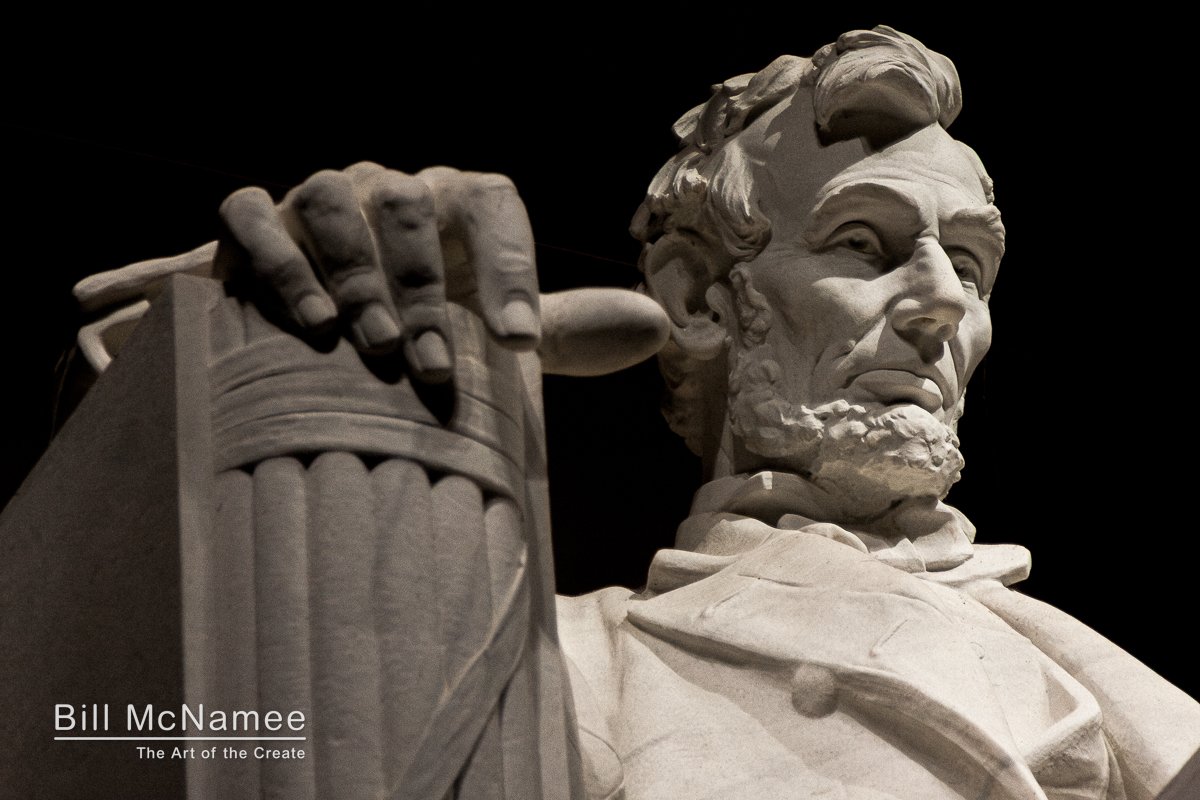
Standing beneath Abraham Lincoln recently, I found myself thinking about another generation of Americans who lived through far more difficult times.
Lincoln inherited a nation already coming apart. The Civil War divided families, neighbors, and states. Communities were torn apart and the future of the Union itself was uncertain.
Days before Independence Day in 1863, the Battle of Gettysburg was fought. It remains one of the bloodiest battles ever fought on American soil. The Union had secured a pivotal victory, but at an unimaginable cost.
Months later, Lincoln returned to Gettysburg to dedicate the soldiers' cemetery and deliver what would become known as the Gettysburg Address. It lasted only a few minutes, yet its message has echoed through American history ever since. He reminded the nation that America was never guaranteed. Each generation would have to preserve it.
Every Generation
Lincoln's generation was hardly the first to face uncertainty, nor would it be the last. It is easy to imagine that our own time is uniquely difficult. History suggests otherwise.
Every American generation has faced challenges that seemed overwhelming in the moment: revolution, civil war, economic depression, world wars, political division, and social change.
The names change. The circumstances change. The responsibility does not.
America has never been strengthened because it avoided hardship. It has been strengthened because Americans chose to face those hardships and continue moving forward.
That does not mean we always agreed. Far from it. But history reminds us that disagreement alone has never defined America. What has defined us is our willingness to keep working toward a more perfect Union, even when the path forward seemed uncertain.
Next 250 Years
The fireworks have faded, the parades have ended, and the flags that lined our streets will gradually be folded away until next Independence Day. What remains is something far more important than a celebration.
It is the responsibility every generation inherits.
Standing beneath Lincoln, I was reminded that America has faced moments far darker than our own. It endured because people believed the nation, and the ideals upon which it was founded, were worth preserving.
The work of America did not end in 1776. It did not end in 1865. It did not end with the Bicentennial in 1976. Nor did it end with our 250th anniversary.
The work continues. The American experiment endures.
___
Technical Notes:
These images were taken inside the Lincoln Memorial during an evening visit to Washington, D.C. They were captured handheld using a Canon DSLR paired with a Canon EF 24-105mm f/4L IS USM lens. All images were converted to black and white in Lightroom with selective adjustments to tone, contrast, texture, and clarity. All images are presented in a 3:2 aspect ratio.