Love on the Rocks: Jetty Rocks
“Love on the rocks
Ain't no surprise
Just pour me a drink
And I'll tell you my lies”
——
“Yesterday's gone
Now all I want is a smile”
- Neil Diamond, Love on the Rocks
___
Textures, patterns, and motion have always drawn my attention as a photographer. Sometimes the most interesting subjects are not the obvious ones, but the details I notice along the way.
At Cape May, New Jersey, the jetties are hard to miss. Massive rocks stretch from the beach into the water, breaking the waves and providing places to explore, fish, climb, or simply stand at the edge of the Atlantic.
But my attention is drawn in the opposite direction.
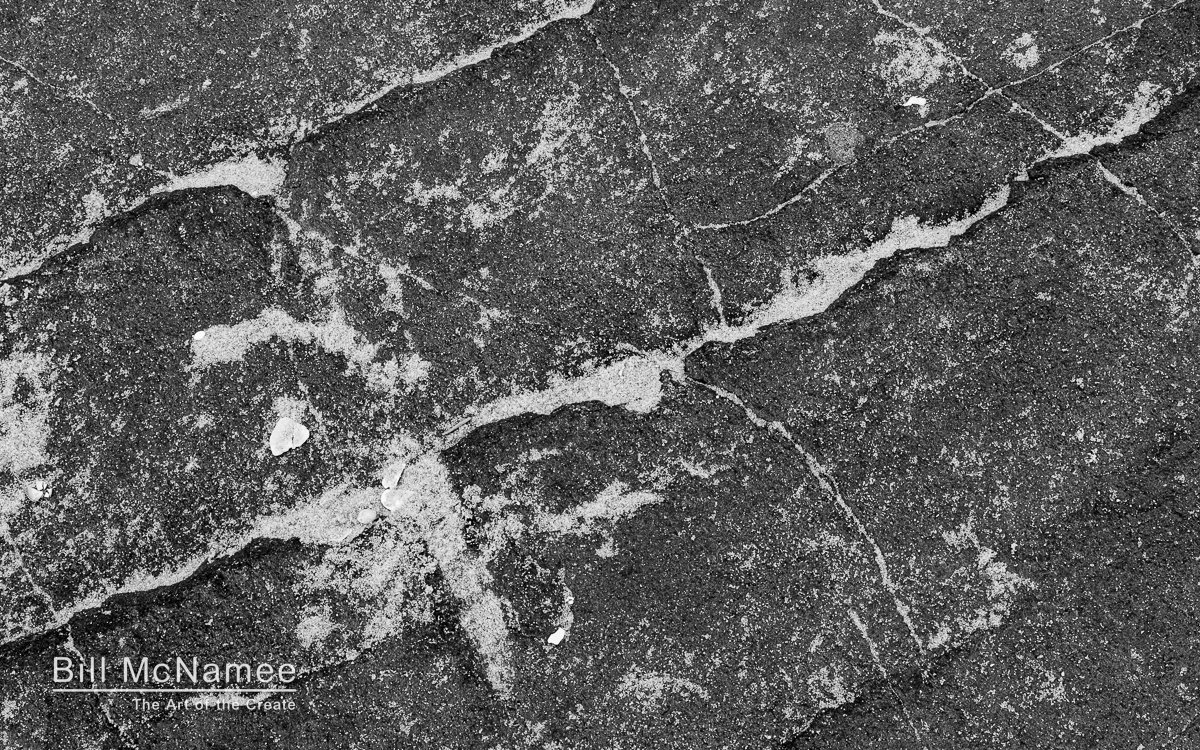
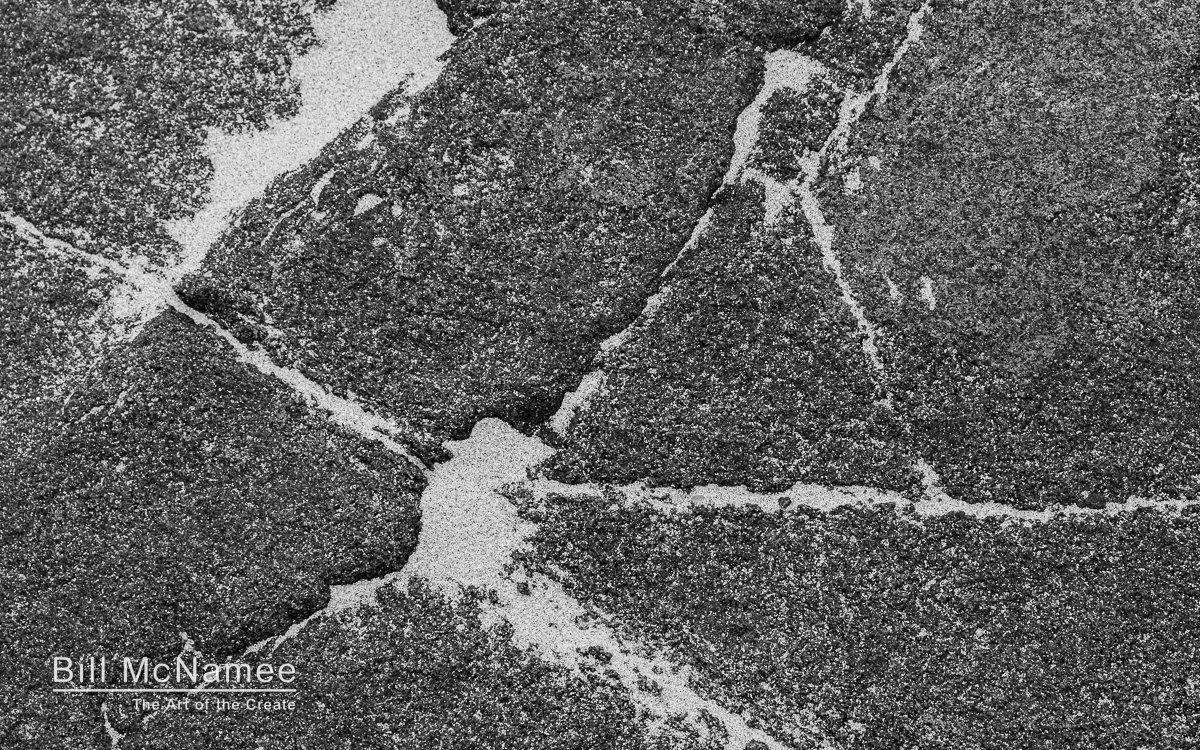
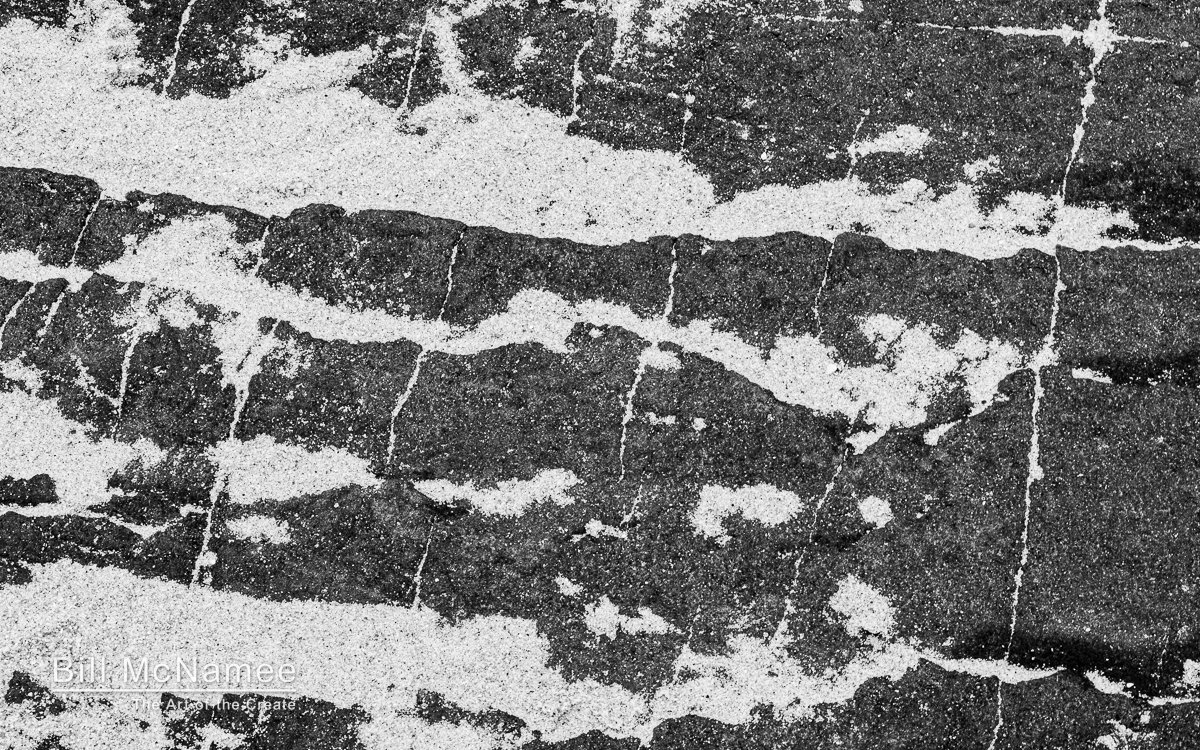
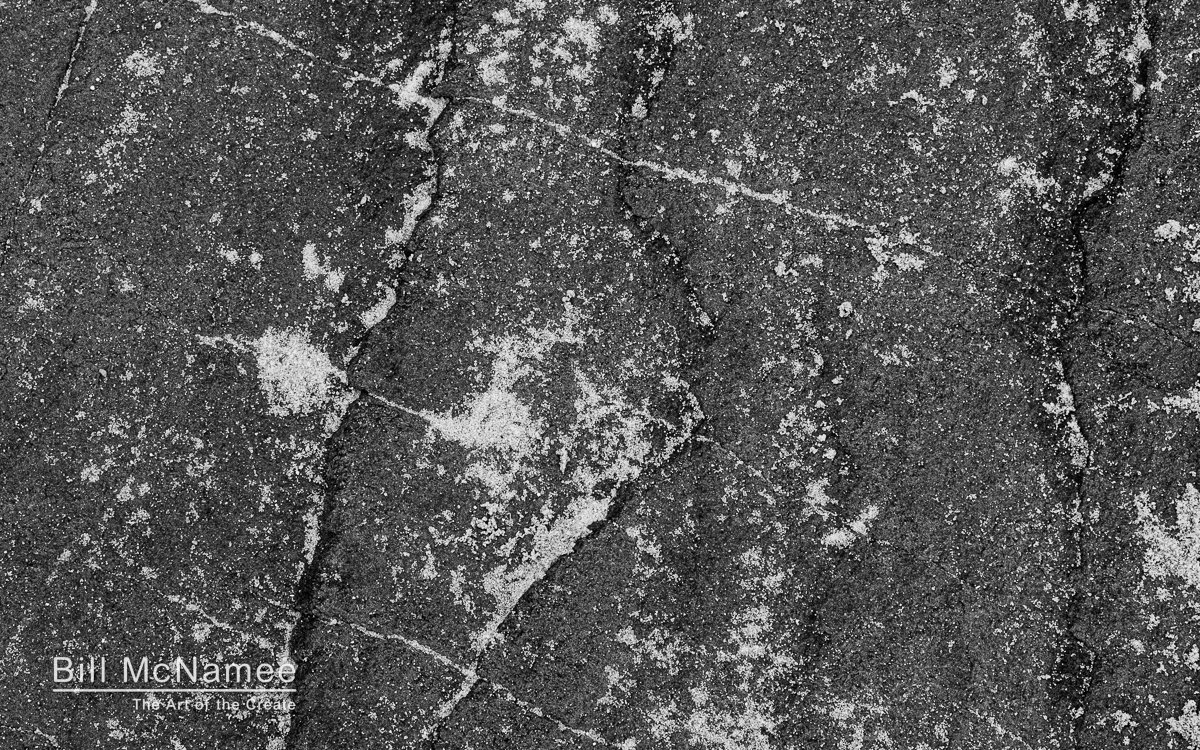
Back on the beach, portions of the jetties disappear beneath the sand. Individual rocks sit partially exposed to the elements, their broad surfaces collecting sand, tiny stones, shells, and whatever else the beach leaves behind.
Most people simply walk across them, but I stop to look.
Dark, coarse, fractured, and worn, the rocks become natural canvases for whatever the beach deposits on their surfaces. Sand settles into cracks and depressions, tracing lines across the stone and creating patterns that change from one rock to the next.
Photographed closely and removed from the larger landscape, their scale begins to disappear. Cracks become pathways. Patches of sand become boundaries. Familiar pieces of stone begin to resemble maps, aerial landscapes, or something altogether more abstract. No two are quite alike.
There is nothing particularly exotic about a rock half buried in the sand. But photography has a way of changing the importance of things. Isolate something from its surroundings, pay attention to light, texture, pattern, and composition, and an ordinary object can become something else entirely.
Sometimes you just have to notice it before you step over it.
___
Technical Notes:
The photographs were made with a Canon DSLR and Canon EF 24–105mm f/4L IS USM lens using available light. Overcast conditions provided soft, even illumination across the surfaces of the rocks, allowing the textures, fractures, sand, and smaller details to remain prominent. The images were processed in Adobe Lightroom with adjustments to tone, contrast, and detail and cropped to a 16:10 aspect ratio.